
Depression and Anxiety Psychologist in Sydney
Evidence-based therapy with a clinical psychologist in Pyrmont, or by telehealth anywhere in Australia.
Clinical Psychology for Depression and Anxiety in Pyrmont
Depression and anxiety are two of the most common reasons people see a psychologist. They are also two of the most treatable.
I’m Jacob Szloch, a registered clinical psychologist at Heart and Hound Psychology. I help people understand what they are going through and learn practical skills to feel better. More about me.
You might have low mood that won’t lift, constant worry, panic attacks, or a mix of these. You don’t have to manage it alone.
In person at WOTSO Pyrmont, 55 Pyrmont Bridge Road
Telehealth by video, anywhere in Australia
Medicare rebates available with a GP Mental Health Treatment Plan
No referral needed to book privately
Understanding Depression
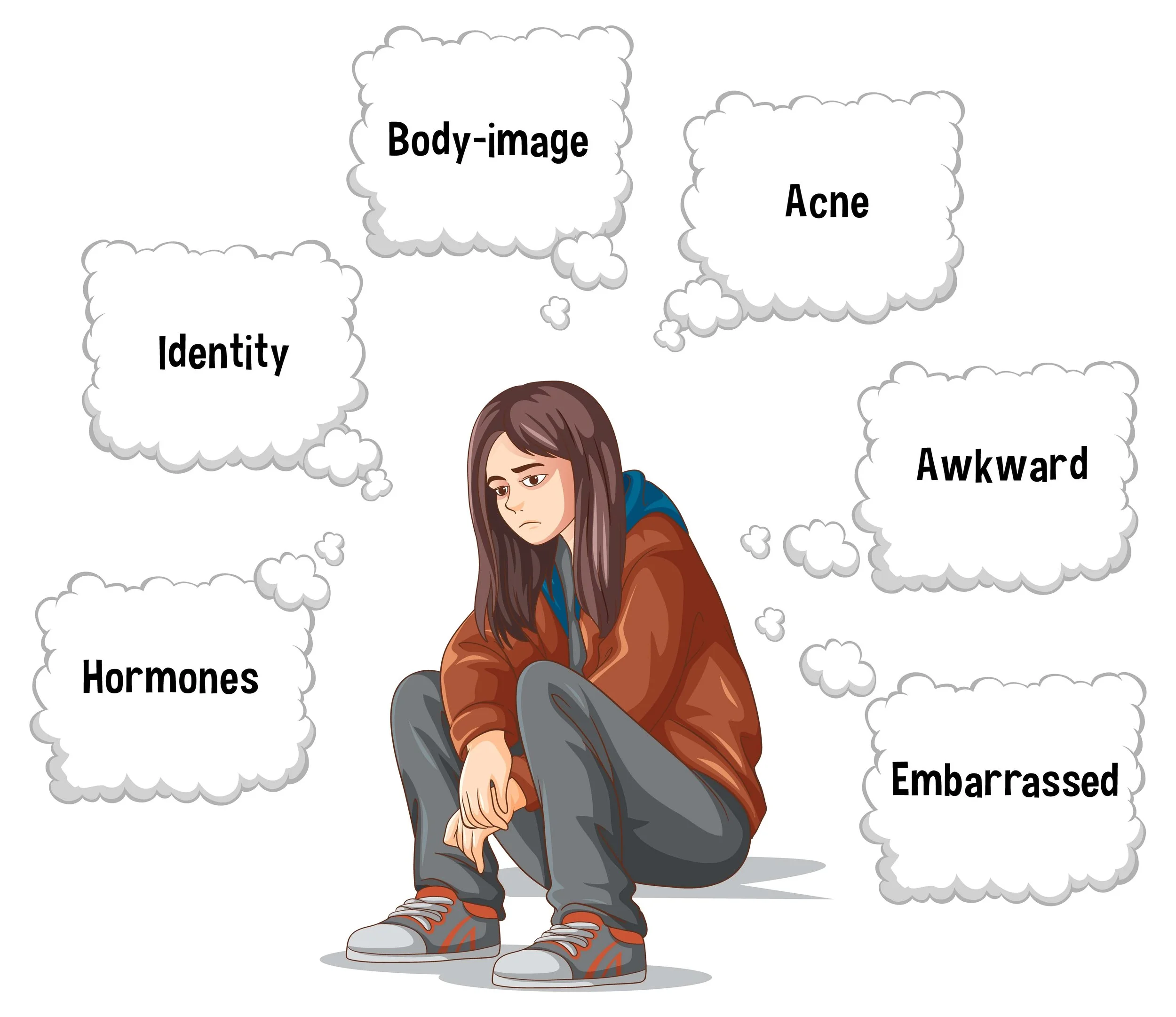
Depression is more than feeling sad. It can affect your motivation, sleep, appetite, concentration and how you see yourself. Many people describe a heaviness that makes simple tasks feel hard, and a sense that things won’t get better.
I treat depression with evidence-based approaches, including Cognitive Behavioural Therapy (CBT), Acceptance and Commitment Therapy (ACT) and behavioural activation. Together, we find out what keeps the depression going. Then we work on unhelpful thinking patterns and build routines that support recovery.
Common signs of depression
Low mood or a sense of emptiness on most days
Loss of interest in things you used to enjoy
Low energy and tiredness
Trouble concentrating or making decisions
Changes in sleep or appetite
Feelings of worthlessness, guilt or hopelessness
If these sound familiar, talking to a psychologist is a good next step. An assessment helps us understand what is happening and plan the right treatment. If sleep is a big part of the problem, read about therapy for sleep problems.

Understanding Anxiety
Anxiety is a normal part of life. It becomes a problem when it is intense, lasts a long time, or stops you doing the things that matter to you. It can show up as racing thoughts, physical tension, avoidance or a constant sense of dread.
I treat a range of anxiety conditions, including generalised anxiety disorder (GAD), panic disorder, social anxiety, health anxiety and phobias. I use CBT, exposure therapy and mindfulness-based skills. The aim is to change how you respond to anxiety, so it no longer runs your life.

Common signs of anxiety
Worry that is hard to control
Feeling restless, tense or on edge
A racing heart, tight chest or shortness of breath
Avoiding places or situations that trigger anxiety
Trouble sleeping because of worry
Irritability or trouble concentrating

Panic, OCD, Phobias and Social Anxiety
Some forms of anxiety need a specific, structured treatment. These conditions often respond well to the right approach.
Panic attacks are sudden waves of intense fear with strong physical symptoms. Many people then avoid places where they fear an attack. CBT for panic helps you understand this cycle and break it.
Obsessive-compulsive disorder (OCD) involves unwanted, intrusive thoughts (obsessions) and repeated actions or mental rituals (compulsions) that aim to reduce distress. I use Exposure and Response Prevention (ERP), a first-line psychological treatment for OCD.
Phobias are intense fears of a specific thing or situation, such as flying, heights, needles or animals. Graded exposure helps you face the fear step by step, at a pace we agree on together.
Social anxiety is a strong fear of being judged or embarrassed. It can make work, study and relationships exhausting. Therapy helps you build confidence and reduce avoidance.

Depression and Anxiety Treatment in Sydney
Treatment is never one-size-fits-all. Therapy with me usually follows four steps, so you always know what comes next.
Sessions are in person at my Pyrmont clinic or by telehealth. Telehealth suits people who prefer to stay home, live outside Sydney or have a busy schedule.
How Therapy Works
Assessment. We talk about what brought you in, your history and your goals. You only share what you are comfortable with.
A clear plan. I explain what I think keeps the problem going and which approach is likely to help. We agree on goals together.
Active therapy. Sessions focus on practical skills that you use between sessions.
Review. We check your progress often and change the plan if needed.
Frequently Asked Questions
-
Yes. Clinical psychologists are trained to assess and treat depression and anxiety with evidence-based therapies such as CBT and ACT. Many people notice real improvement within a short course of therapy.
-
If low mood, worry or anxiety has affected your daily life, work or relationships for more than two weeks, it is worth talking to a professional. You do not need to be in crisis to benefit from therapy. Many people come early, before things get worse.
-
No. You can book directly without a referral. To claim a Medicare rebate, you need a GP Mental Health Treatment Plan (often called a Mental Health Care Plan) from your usual GP, or a direct referral from a psychiatrist or paediatrician. Medicare covers up to 10 individual sessions per calendar year. See Fees for details.
-
It depends on your situation and goals. Many people notice improvement within 6 to 12 sessions. Complex or long-standing problems may need longer support. We agree on a realistic plan early in therapy.
-
For most people, yes. Research shows that video therapy for depression and anxiety gives results similar to in-person sessions. Telehealth also makes it easier to attend regularly, and regular attendance matters for results.
-
The first session is about getting to know you. We talk about what brought you in, what you hope to change, and how things affect your day-to-day life. By the end, you will have a clearer picture of how I can help and what comes next.
-
Heart and Hound Psychology is not a crisis service. If you or someone else is in immediate danger, call 000. For 24/7 crisis support, call Lifeline on 13 11 14.
Ready to Take the First Step?
Reaching out is often the hardest part. You can book an appointment online, or send me a message with this form if you have a question first.
There is no pressure. The first session is a chance to see if working together feels right.
Please do not include detailed health information in this form.